
Video
Simplifying containers and Kubernetes on your laptop with Podman Desktop | DevNation Tech Talk
DevNation Tech Talk: Simplifying containers and Kubernetes on your laptop with Podman Desktop
DevNation Tech Talk: Simplifying containers and Kubernetes on your laptop with Podman Desktop

This article demonstrates how to use the FQCN migration tool to update an Ansible collection namespace.

Get a tour of the Kubernetes capabilities offered in Podman Desktop, a versatile tool for managing containers and developing and testing Kubernetes applications.

This article demonstrates how to build multi-architecture container images such as Linux AMD64.

This article demonstrates how Tekton Pipelines increase efficiency, reduce errors, and deliver software faster thus improving productivity and CI/CD workflow.

Learn to containerize .NET projects using the .NET 8 SDK, which provides built-in support for building container images.
This article describes containerizing a Spring Boot application using Podman Desktop, containerfile basics, and how to run the container locally.
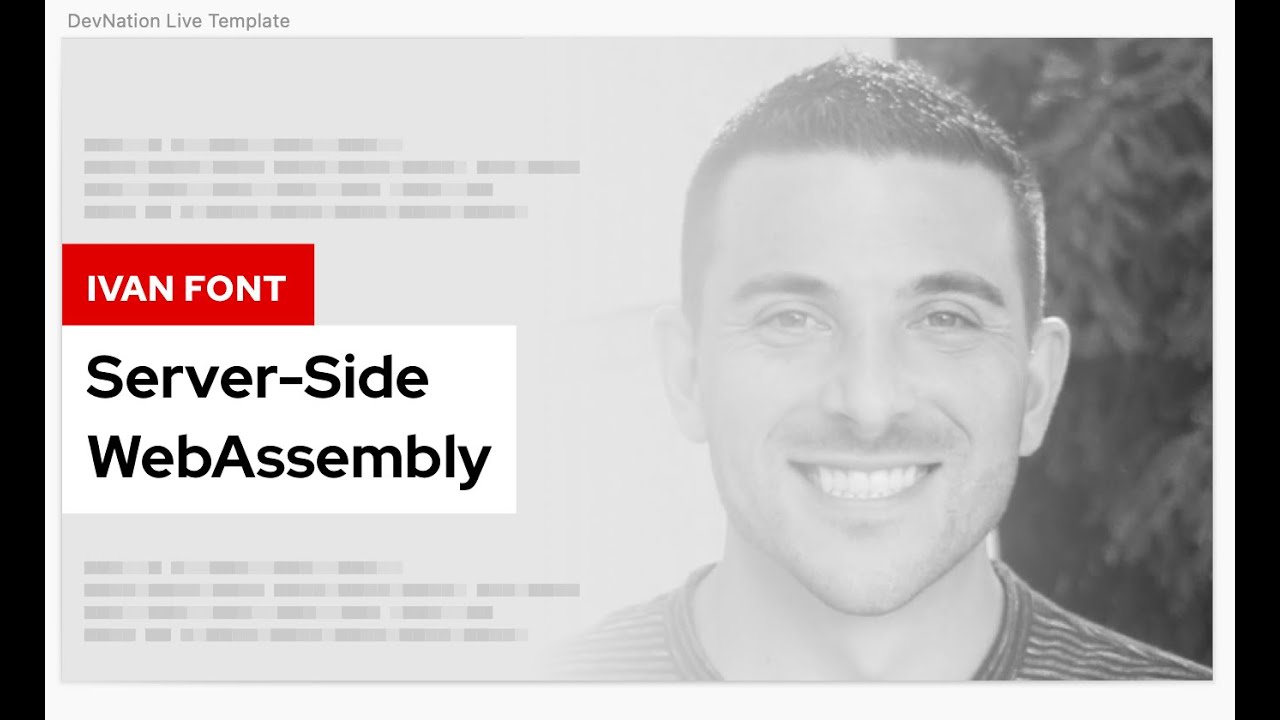
DevNation Tech Talk: Server-Side WebAssembly: Integration patterns in Microservices

Learn how to create and deploy custom SELinux policies across server fleets and containerized environments, including benefits and best practices.

Learn how to create a self-healing server using Ansible's event-driven architecture and integrate it with Alertmanager for efficient monitoring and alerting.

This article provides step-by-step configurations to set up monitoring and alerts for custom deployed applications.

Learn how to manage and run containers on your Windows machine with Podman Desktop, a powerful desktop GUI that supports both Podman and Docker.

Discover how Red Hat's developer tools reduce friction in your development process to help you achieve more in hybrid cloud and multicloud environments.

Learn how Red Hat partnered with the electrical training ALLIANCE to implement a Node.js solution that resulted in successful production deployment.

Learn how to package your Python applications in containers from the ground up in this tutorial.

This article compares the results of testing MongoDB transactional performance in AWS with two storage options—LightBits vs. EBS io2 Block Express.
Learn how to use the Ansible Automation Platform from Google Cloud Platform (GCP) Marketplace to automatically provision GCP resources.

Build and deploy a simple Python application using Flask and the Gunicorn Web Server Gateway Interface server, then containerize it using Podman Desktop.

This article demonstrates how to implement a basic operator using Java Operator SDK, Quarkus, and Fabric8 Kubernetes client.
Learn about Cryostat’s 2.3 new agent capabilities and how to profile Java applications.
Learn how to use the Ansible Automation Platform from Microsoft Azure Marketplace to automatically provision Azure resources.
Learn about the benefits of deploying Ansible Automation Platform from the Amazon Web Services (AWS) Marketplace to automatically provision AWS resources.

Clean architecture enables you to build more robust, adaptable software. This example showcases key concepts and patterns involved in implementation.
This article demonstrates how to use the OpenShift monitoring stack to monitor performance, troubleshoot issues, optimize resource utilization, and more.

The OpenShift APIs for Data Protection Operator makes it easy to back up persistent volumes of your workloads. This tutorial covers the necessary steps.

Build here. Go anywhere.
We serve the builders. The problem solvers who create careers with code.
Join us if you’re a developer, software engineer, web designer, front-end designer, UX designer, computer scientist, architect, tester, product manager, project manager or team lead.
 Ask AI